
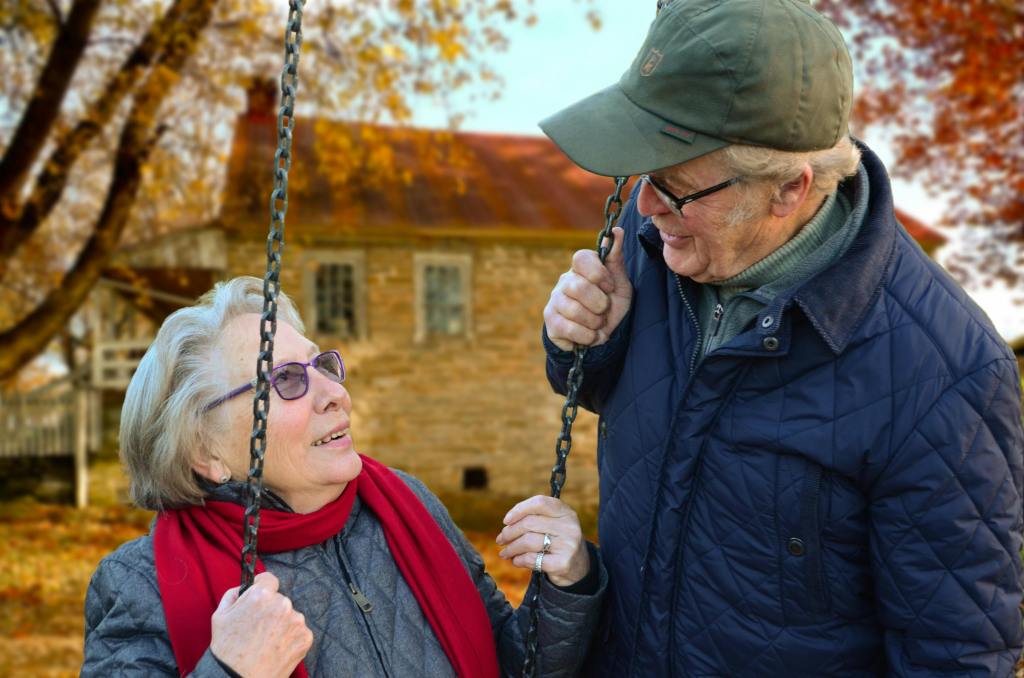
Making the decision to move a loved one into assisted living is never easy. It often comes with feelings of guilt, uncertainty, and fear of change. But recognizing when help is truly needed can be the most loving decision you make.
While every situation is different, there are key behavioral, physical, and emotional signs that may indicate your loved one is no longer safe or thriving at home.
1. Increased Forgetfulness or Confusion
It’s normal to misplace keys once in a while, but if your loved one:
- Misses medication doses
- Gets lost in familiar places
- Forgets appointments or meals
- Repeats questions within minutes
…they may be showing signs of cognitive decline that require consistent oversight.
2. Noticeable Decline in Personal Hygiene
Have you noticed:
- Unwashed hair or body odor
- Soiled clothes worn repeatedly
- Refusal to shower or change
- Unclipped nails or poor dental care
These are signs your loved one may no longer have the physical strength, memory, or motivation to manage self-care.
3. Poor Nutrition or Weight Loss
Warning signs include:
- Spoiled or empty fridge
- Relying solely on snacks or fast food
- Forgetting to eat or skipping meals
- Unexplained weight loss
Lack of proper nutrition can weaken the immune system and increase the risk of illness or falls.
4. Increased Falls or Mobility Issues
Frequent tripping, holding onto furniture, or fear of walking alone may suggest that your loved one is struggling with balance or strength. One serious fall could result in a long-term injury—or worse.
5. Loneliness or Withdrawal
Social isolation can be just as dangerous as physical decline. If your loved one:
- No longer participates in activities they once enjoyed
- Avoids visitors or phone calls
- Expresses feelings of sadness or hopelessness
…they may be suffering from depression, a common but overlooked issue among seniors living alone.
6. Unpaid Bills or Household Neglect
Are utility bills stacking up? Is the home cluttered, dirty, or unsafe? A once tidy home falling into disarray may signal that your loved one is overwhelmed and needs support.
7. Caregiver Burnout
If you or another family member is acting as the primary caregiver and feeling:
- Exhausted
- Anxious
- Resentful
- Emotionally drained
…it may be time to consider a care setting where your loved one can receive the attention they need, and you can return to being a loving spouse, child, or sibling—not just a caregiver.
8. Wandering or Unsafe Behavior
For individuals with memory loss or early-stage dementia, wandering, leaving stoves on, or locking themselves out can become dangerous very quickly. Assisted living environments are designed for safety, supervision, and peace of mind.
Final Thoughts
Choosing assisted living doesn’t mean giving up—it means choosing safety, structure, and support for someone you love. These signs aren’t meant to alarm you, but to help guide a difficult decision with compassion and clarity.
If you’re starting to notice some of these changes, it may be time to explore local assisted living options. A good facility will not only meet physical needs—but offer a vibrant, connected life that supports your loved one’s dignity and independence.
 Early Bird Care Home